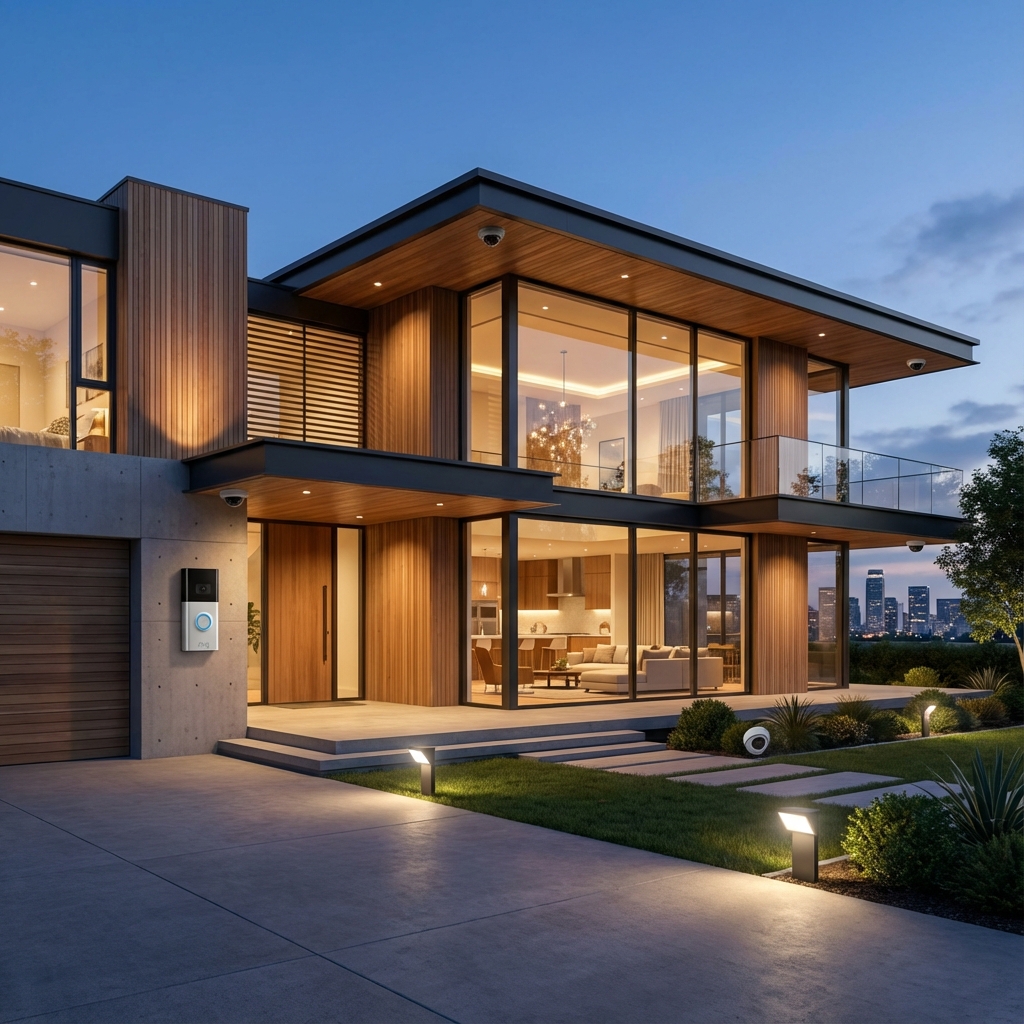
Video doorbell installation in Toronto is usually quick on newer homes with existing low-voltage doorbell wiring, but a large share of the city's older housing stock runs into the same snag: semis and detached homes in neighbourhoods like Riverdale, the Junction, and the Beaches either have no doorbell wiring at all, or a transformer too weak (16V/10VA or less) for power-hungry smart doorbells like Ring or Nest. Condo and townhome owners face a different issue — building rules often restrict drilling into shared exterior walls, which usually means a battery-powered doorbell instead of a hardwired one. SmartAura handles the wiring assessment, transformer upgrades where needed, WiFi signal testing at the front door, and condo-compliant battery installs, with a free walkthrough quote before any work starts — the same process we use for every install across the GTA.
The #1 Installation Snag in Toronto Homes: Weak or Missing Transformers
Most video doorbells (Ring, Nest, Eufy) need a 16-24V transformer to stay charged and stream continuously; a lot of Toronto homes built before the 2000s were wired for a basic mechanical chime on an 8-16V transformer that can't keep a smart doorbell powered, causing it to drain, disconnect, or fall back to battery-only mode. On some older semis there's no low-voltage wiring at the door at all. Either way, the fix is a straightforward transformer swap or a short wiring run — but it's the single most common reason a DIY video doorbell install ends up half-working within a week.
Hardwired vs. Battery-Powered: What Condo and Townhome Owners Need to Know
If you're in a condo or a townhome with a shared building exterior, check your building's rules before drilling into brick, siding, or a shared wall — many buildings restrict or prohibit it entirely. Battery-powered doorbells solve this cleanly: no wiring, no building approval needed for exterior penetrations, and a battery that typically lasts a few months between charges depending on how much motion and doorbell-press activity your entrance gets. The trade-off is a recurring charging routine instead of a "set it and forget it" hardwired install.
WiFi Signal at the Front Door: The Most Overlooked Step
A video doorbell that can't hold a stable connection to your router is the most common complaint we hear after a DIY install — and in a lot of Toronto homes, especially semis and older detached houses with the router in a back-of-house office or basement, the front door is the weakest WiFi spot in the house. We test signal strength at the door before finishing an install and add a mesh extender when needed, rather than leaving you to discover the dead zone after the doorbell's already mounted.
What Drives the Cost of a Video Doorbell Installation
- Existing wiring — a home with working low-voltage wiring and an adequate transformer is the fastest, least expensive install.
- Transformer upgrades — needed on older homes with underpowered or missing transformers.
- Mounting complexity — brick or stone exteriors typically take longer than siding or a straightforward door frame mount.
- WiFi extension — if the front door is a dead zone, a mesh access point adds to the job.
Frequently Asked Questions
Do I need existing doorbell wiring for a video doorbell?
No — a battery-powered model works without any wiring. But if you already have wiring and an adequate transformer, a hardwired doorbell means you'll never think about charging it again.
Can I install a video doorbell in a Toronto condo?
In most buildings, yes, with a battery-powered model that doesn't require drilling into shared exterior walls. Always check your building's alteration rules first — we can advise on condo-compliant options during your quote.
Will my WiFi actually reach my front door?
Often it's weaker than people expect, especially in semis and older detached homes where the router sits at the back of the house. We test this on-site and add a mesh extender if needed rather than guessing.
Does it matter which brand I choose — Ring, Nest, or something else?
The installation steps are similar across brands; the main differences are subscription costs for video history and how each integrates with other smart home devices. We can walk you through the trade-offs based on what else you're running.
What areas do you serve for video doorbell installation?
Toronto, Vaughan, Brampton, Mississauga, Richmond Hill, Markham, Oakville, and the rest of the GTA, plus Caledon and Orangeville.
Getting Started
If you already know which doorbell you want and just need it installed properly, book a free walkthrough and we'll check your wiring, transformer, and WiFi signal before quoting the job. If you're still deciding between hardwired and battery-powered, our security services page covers how a video doorbell fits alongside cameras and smart locks.